History
Cesta Roman: Ancient Roads That Shaped History

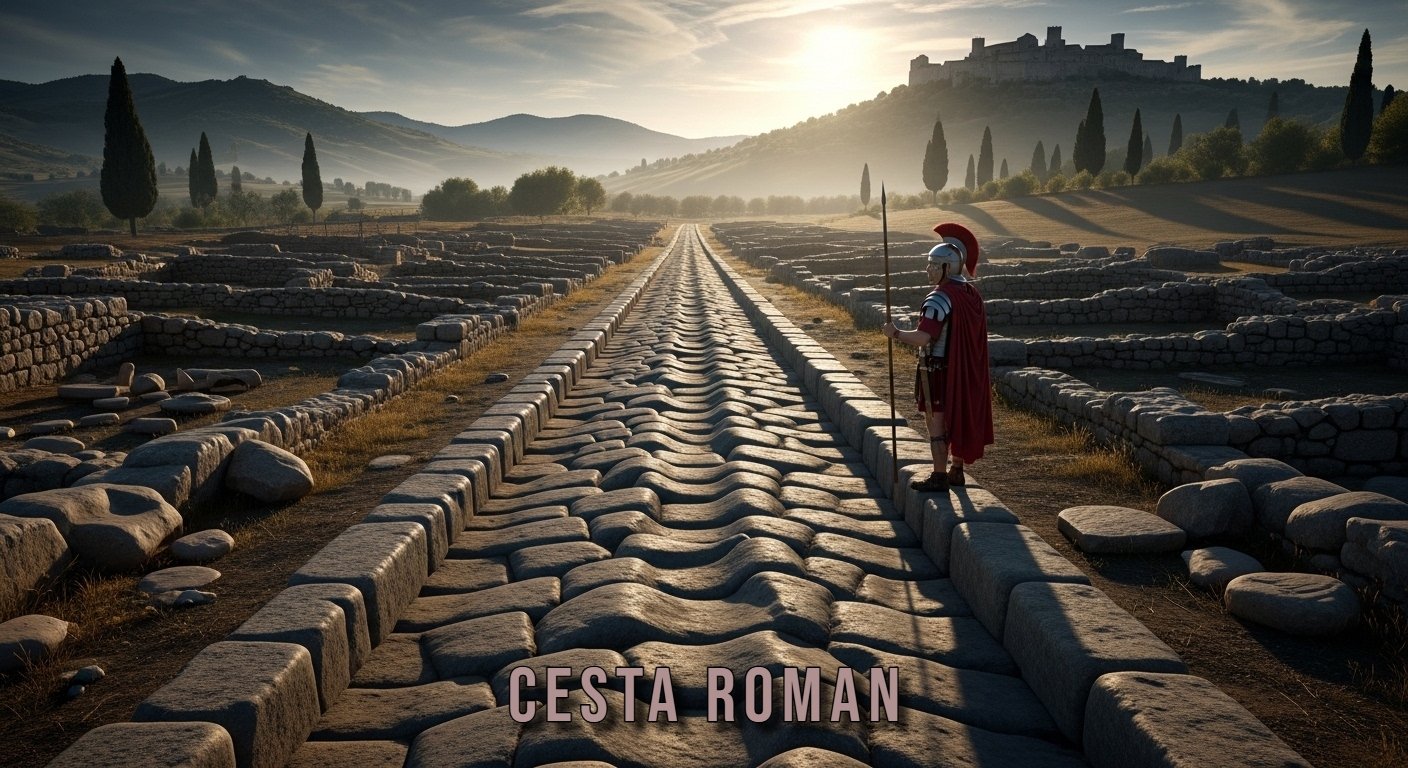
The term cesta roman carries deep historical significance, evoking images of powerful empires, advanced engineering, and the remarkable legacy of ancient civilizations. These Roman roads were more than just pathways—they were the backbone of an empire that connected vast regions, facilitated trade, and influenced the development of modern infrastructure. Understanding cesta roman offers a fascinating glimpse into how ancient innovation continues to shape our world today.
What Is Cesta Roman?
The phrase cesta roman refers to the extensive network of roads built by the ancient Romans. These roads were carefully designed to connect cities, military outposts, and trade centers across the vast Roman Empire. Known for their durability and precision, Roman roads have stood the test of time, with some still visible and even in use today.
Unlike simple dirt paths, cesta roman systems were constructed with multiple layers, ensuring stability and longevity. This engineering brilliance allowed them to withstand heavy traffic, harsh weather, and centuries of use.
The Origin of Roman Roads
The development of cesta roman began around 312 BCE with the construction of the Via Appia, one of the earliest and most important Roman roads. Often called the “Queen of Roads,” it connected Rome to southern Italy and played a crucial role in military expansion.
As the Roman Empire grew, so did its road network. Thousands of miles of roads were constructed, linking distant provinces and ensuring efficient communication. The expansion of cesta roman became a symbol of Roman power and organization.
Engineering Excellence Behind Cesta Roman
One of the most impressive aspects of cesta roman is its engineering. Roman roads were built using a layered structure:
- Statumen: The foundation made of large stones
- Rudus: A layer of smaller stones mixed with lime
- Nucleus: Fine gravel or sand for smoothness
- Summum dorsum: The top surface made of tightly fitted stones
This meticulous construction ensured that cesta roman roads were durable and resistant to wear and tear. Slight curvature was also added to allow water drainage, preventing damage from rain.
The Role of Cesta Roman in Military Expansion
The Roman military relied heavily on cesta roman to maintain control over its vast territories. These roads allowed soldiers to move quickly and efficiently, making it easier to respond to threats and expand the empire.
Troops could travel long distances in a short time, giving Rome a strategic advantage over its enemies. Without cesta roman, the rapid expansion and control of the empire would have been nearly impossible.
Trade and Economic Growth
Beyond military use, cesta roman played a vital role in economic development. Merchants used these roads to transport goods such as wine, olive oil, spices, and textiles across regions.
The connectivity provided by cesta roman encouraged trade between cities and provinces, leading to economic prosperity. Markets flourished, and cultural exchanges became more common as people traveled along these routes.
Cultural Exchange and Communication
The impact of cesta roman extended beyond economics and military strategy. These roads facilitated the exchange of ideas, languages, and cultures.
Philosophers, scholars, and travelers moved freely across the empire, spreading knowledge and innovation. This interconnectedness helped shape the cultural identity of the Roman world and influenced future civilizations.
Famous Roman Roads
Several iconic roads highlight the importance of cesta roman in history:
- Via Appia – One of the earliest and most significant roads
- Via Egnatia – Connecting the Adriatic Sea to Byzantium
- Via Aurelia – Running along the western coast of Italy
Each of these roads played a crucial role in connecting different parts of the empire, showcasing the vast reach of cesta roman networks.
Construction Techniques and Tools
Roman engineers used advanced tools and techniques to build cesta roman roads. Surveying instruments ensured straight paths, while skilled laborers carried out the construction.
Materials were often sourced locally, making the process efficient and cost-effective. The use of milestones along cesta roman routes helped travelers navigate distances and track their journeys.
Maintenance and Longevity
Regular maintenance was essential to preserve the quality of cesta roman roads. Local authorities were responsible for repairs, ensuring that the roads remained functional.
The durability of these roads is evident today, as many remnants still exist. This longevity highlights the effectiveness of Roman engineering and the importance placed on infrastructure.
Influence on Modern Infrastructure
Modern road systems owe much to the principles established by cesta roman. Concepts such as layered construction, drainage systems, and route planning continue to influence contemporary engineering.
Highways and transportation networks around the world reflect the legacy of cesta roman, demonstrating how ancient innovations remain relevant.
Tourism and Historical Significance
Today, cesta roman routes attract tourists and history enthusiasts from around the globe. Walking along these ancient paths offers a unique connection to the past.
Sites like the Via Appia provide a glimpse into the daily life of ancient Romans and the grandeur of their empire. These roads serve as living monuments to history.
Challenges in Preservation
Despite their durability, many cesta roman roads face challenges such as erosion, urban development, and environmental factors. Preservation efforts are crucial to protect these historical treasures.
Governments and organizations work to restore and maintain these roads, ensuring that future generations can appreciate their significance.
Why Cesta Roman Still Matters Today
The relevance of cesta roman extends far beyond history. These roads represent innovation, connectivity, and the power of infrastructure to shape societies.
They remind us of the importance of planning and investment in transportation systems. The lessons learned from cesta roman continue to guide modern development and inspire future advancements.
Final Thoughts
The story of cesta roman is one of ingenuity, ambition, and lasting impact. These ancient roads were more than just physical structures—they were the lifelines of an empire that changed the course of history.
From military strategy to cultural exchange, cesta roman played a pivotal role in shaping the Roman world and influencing modern civilization. Exploring their legacy offers valuable insights into how infrastructure can transform societies and connect people across vast distances.


 Music1 year ago
[Album] あの – 猫猫吐吐 (2023.12.13/MP3 + Hi-Res FLAC/RAR)
 Music1 year ago
[Album] 安室奈美恵 – Finally (2017.11.08/MP3+Flac/RAR)
- Music1 year ago
[Album] back number – ユーモア (2023.01.17/MP3/RAR)
- Music1 year ago
[Album] 小田和正 – 自己ベスト-2 (2007.11.28/MP3/RAR)
- Music1 year ago
[Single] tuki. – 晩餐歌 (2023.09.29/Flac/RAR)
- Music1 year ago
[Album] 米津玄師 – Lost Corner (2024.08.21/MP3 + Flac/RAR)
 Music1 year ago
[Album] ぼっち・ざ・ろっく!: 結束バンド – 結束バンド (2022.12.25/MP3/RAR)
- Music1 year ago
[Single] ヨルシカ – 晴る (2024.01.05/MP3 + Hi-Res FLAC/RAR)